Jelly Bean Font: Your Go-To for Charming Digital Notes
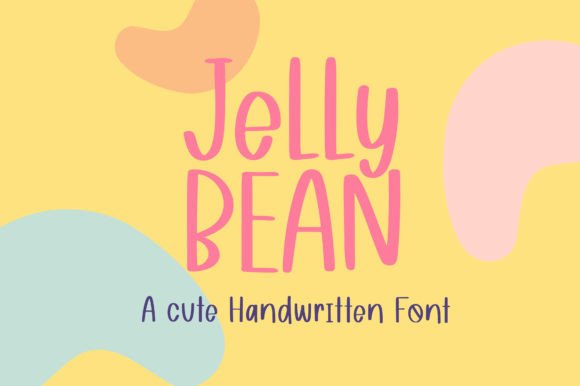
There's a certain magic in a well-crafted handwritten font. It feels personal, approachable, and full of character. That's precisely the vibe captured in the Jelly Bean Font. This isn't just another script font; it's a carefully designed typeface that mimics the neat, legible, and slightly playful look of modern handwriting. For anyone juggling digital notes, creative projects, or personal branding, it offers a refreshing blend of aesthetic appeal and practical function. Think of it as the friendly, organized handwriting you wish you had, now available at the click of a button.
The Anatomy of a Modern Handwritten Typeface
What sets the Jelly Bean Font apart is its balanced design. It avoids the chaotic, overly swirly extremes of some decorative script fonts, instead opting for a clean and consistent baseline. The letterforms are rounded, with a gentle bounce that injects energy without sacrificing readability. This makes it an excellent display font for headlines and a surprisingly functional choice for smaller blocks of text, like captions or short notes. Its personality is inherently friendly, optimistic, and creative—perfect for brands or projects that want to convey approachability and innovation.
From a technical standpoint, this premium font is a versatile design asset. It often includes multiple styles, such as regular, bold, and italic, allowing for basic typographic hierarchy. You might also find alternates or ligatures that help customize the look, preventing that "typed" feeling and enhancing the organic flow. When evaluating a creative font like this, always check what's included. Do the letter connections look natural? Does it maintain clarity at smaller sizes? These details are what separate a truly useful tool from a novelty item.
Where Jelly Bean Font Truly Shines
Think beyond the notebook. The applications for a well-executed handwritten font are vast in the modern creative landscape. For brand identity, it can soften a corporate feel, making a logo or packaging design more relatable to consumers. Imagine a boutique bakery's menu, a wellness brand's social media graphics, or a craft shop's product tags—the Jelly Bean Font adds a touch of handmade authenticity.
In editorial design and web design, it serves as a powerful accent. Use it for pull quotes, chapter titles, or call-to-action buttons to break the monotony of standard serif font and sans serif font pairings. For digital creators, it's a lifesaver for streamlining study notes or making collage notes visually engaging. The key is strategic placement. Overusing any display font can overwhelm a layout. Instead, pair it with a clean, neutral typeface for body text to create a harmonious and professional visual hierarchy.
Making the Font Work for You: A Practical Guide
Choosing the right font is a strategic decision, not just an aesthetic one. Before integrating the Jelly Bean Font into your next project, run through this checklist:
- Evaluate Project Fit: Does the font's personality align with your message? Its whimsical nature is ideal for children's products, lifestyle blogs, and creative portfolios but might not suit a law firm's annual report.
- Test Font Pairings: This is crucial. A classic pairing is a handwritten font like Jelly Bean with a sturdy sans serif font like Montserrat or Open Sans. The contrast creates balance. Avoid pairing it with another overly decorative typeface.
- Check Readability: Zoom out. Can you read a paragraph of text set in this font at 14pt? If it blurs into an indecipherable script, reserve it for large headlines only.
- Review Licensing: For any commercial font, confirm the license covers your intended use—whether it's for a client's logo design, a product sold on Etsy, or a printed publication. Most premium fonts have clear, straightforward terms.
Ultimately, the Jelly Bean Font is more than just a pretty typeface; it's a tool for injecting personality and warmth into digital and print communication. By understanding its strengths and applying it thoughtfully, you can leverage its charm to create more engaging, memorable, and human-centered designs. It’s a small detail that can make a significant difference in how your audience perceives and connects with your work.